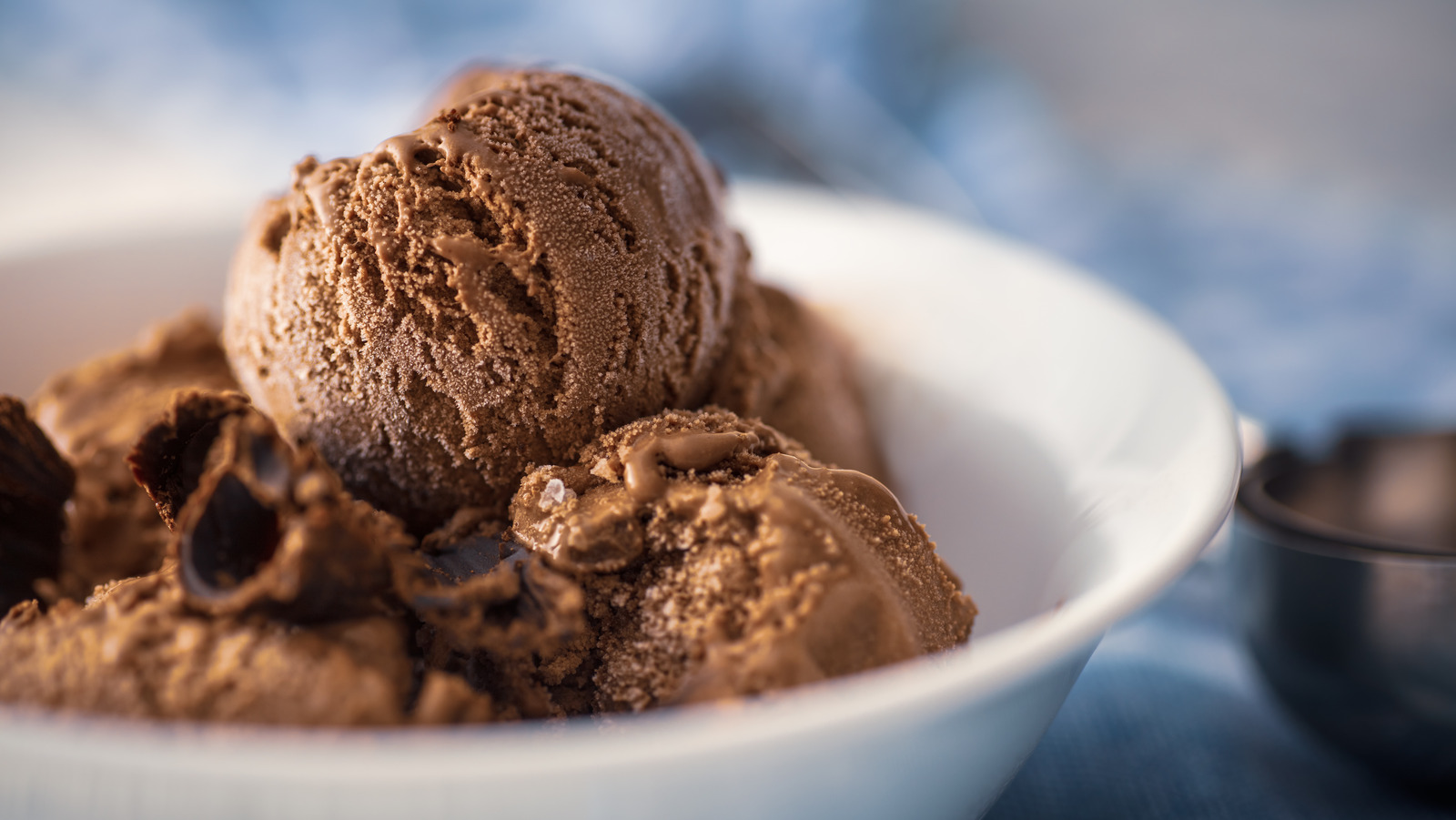
The Secret Ingredient to Fudgy Perfection: Unraveling Cocoa's Role in Chocolate Ice Cream
There are few desserts as universally beloved as chocolate ice cream. Its rich, creamy embrace satisfies cravings like no other, especially when it achieves that coveted fudgy texture. But what if we told you the secret to unlocking truly decadent, melt-in-your-mouth chocolate ice cream isn't just about the cream or the sugar, but a seemingly subtle choice that makes all the difference: your cocoa powder?
For home cooks embarking on the delightful journey of crafting their own frozen treats, particularly easy no-churn chocolate ice cream, understanding the nuances of cocoa powder is paramount. Forget fussy egg tempering or specialized equipment; the right cocoa can transform a simple recipe into a gourmet experience. This article will dive deep into the world of natural versus Dutch-process cocoa, guiding you to make an informed choice for your ultimate fudgy chocolate ice cream.
The Heart of the Matter: Understanding Cocoa Powder Varieties
Cocoa powder, derived from roasted, ground cacao beans with most of their fat (cocoa butter) removed, is the very essence of chocolate flavor in many desserts. However, not all cocoa powders are created equal. Their processing directly impacts their color, flavor, and how they interact with other ingredients in your recipe, especially for something as delicate as homemade chocolate ice cream.
Natural Cocoa Powder: The Bright & Tangy Choice
This is likely the most common variety you'll encounter in American grocery stores. Natural cocoa powder is simply pure, unsweetened cocoa that hasn't undergone any special treatment after grinding. It retains the inherent acidity of the cacao bean, giving it a lighter brown color and a distinctly sharp, sometimes fruity, flavor profile. Think of it as the raw, unrefined voice of chocolate.
Natural cocoa works exceptionally well in recipes that call for baking soda, as its acidity reacts with the soda to create leavening, contributing to the rise in cakes and cookies. However, when it comes to no-churn chocolate ice cream, where leavening isn't a concern, its acidic nature can sometimes manifest as a slightly sharp or even dry aftertaste, potentially detracting from the smooth, rich experience we crave in fudgy chocolate ice cream.
Dutch-Process Cocoa Powder: The Smooth & Mellow Dark Horse
Also known as alkalized cocoa, Dutch-process cocoa powder undergoes a treatment with an alkaline solution (typically potassium carbonate). This process neutralizes its natural acidity, leading to a profound transformation. The cocoa takes on a significantly darker hue, ranging from deep brown to almost black, and develops a smoother, more mellow flavor profile. The sharp, fruity notes recede, allowing the rich, earthy, and sometimes nutty undertones of chocolate to shine through without any bitterness.
This type of cocoa is a staple in European baking and desserts for good reason. Its non-acidic nature makes it ideal for recipes that use baking powder (which already contains its own acid for leavening) or, more importantly for our purposes, recipes where a deep, rich, non-bitter chocolate flavor is desired without any interaction with leavening agents. For a truly fudgy chocolate ice cream, Dutch-process cocoa is often the top recommendation, as its inherent smoothness complements the creamy base perfectly, resulting in an exceptionally luxurious taste and mouthfeel.
Black Cocoa Powder: The Ultra-Dark Secret Weapon
Taking the Dutch-process concept to its extreme, black cocoa powder is an ultra-dutched variety. This intense alkalization results in an incredibly dark, almost jet-black powder. Its flavor is remarkably distinct, often described as having strong "Oreo cookie" vibes – deep, earthy, and sometimes a little less chocolatey and more roasted or bitter on its own. While its dramatic color is undeniably appealing, using black cocoa powder unadulterated can be too intense for some palates.
However, when judiciously balanced with other ingredients, such as the sweetened condensed milk and whipped cream found in many no-churn chocolate ice cream recipes, black cocoa can create an unbelievably dramatic and complex dark chocolate flavor. It delivers an aesthetic appeal that's second to none, making your homemade chocolate ice cream look as sophisticated as it tastes. For those seeking an intensely dark and visually stunning fudgy chocolate ice cream experience, black cocoa, often blended with a standard Dutch-process cocoa, is a fantastic choice.
Why Your Cocoa Choice Matters for Fudgy Chocolate Ice Cream
The type of cocoa powder you choose fundamentally alters both the flavor and texture of your homemade chocolate ice cream. When aiming for that quintessential fudgy experience, the distinction between natural and Dutch-process becomes critical.
Natural cocoa's acidity can react subtly with dairy proteins, potentially leading to a slightly thinner consistency or a less smooth mouthfeel in ice cream. More significantly, its inherent tang can prevent the deep, mellow chocolate notes from fully developing, resulting in a chocolate ice cream that feels less "fudgy" and more "bright" or even a bit austere. The goal for fudgy chocolate ice cream is a seamless, lingering melt that coats the palate, and natural cocoa, while delicious in other applications, doesn't always deliver that specific sensation.
Dutch-process cocoa, on the other hand, is a game-changer. Its neutralized acidity and darker, smoother flavor profile translate directly into a richer, more profound chocolate experience in your ice cream. It allows the deep, earthy tones of chocolate to meld harmoniously with the creamy base, creating a flavor that is both intense and remarkably smooth. This absence of sharp edges is precisely what contributes to the perception of fudginess – a dense, luxurious texture that feels substantial on the tongue. Black cocoa further amplifies this, pushing the boundaries of deep, dark chocolate flavor and color, making your ultra-creamy no-churn chocolate ice cream truly unforgettable.
Beyond Cocoa: Essential Tips for Unforgettable Fudgy Chocolate Ice Cream
While the right cocoa powder is foundational, achieving truly superior fudgy chocolate ice cream involves a few other key techniques. These tips ensure your efforts result in the creamiest, dreamiest scoop every time:
Temperature is Your Friend
Always use very cold heavy cream for whipping. Chilled cream whips up much faster, achieves greater volume, and holds its shape better, which is crucial for incorporating air and creating that light, airy yet rich texture in no-churn ice cream. For an extra boost, chill your mixing bowl and beaters in the freezer for 10-15 minutes before you start. This simple step can make a significant difference in the cream's stability and volume.
Sifting for Smoothness
Cocoa powder has a notorious tendency to clump. These stubborn lumps won't easily dissolve when mixed into your sweetened condensed milk, leading to an uneven texture and pockets of unmixed cocoa. Sifting your cocoa powder before incorporating it is a non-negotiable step for a velvety smooth base. A fine-mesh sieve will break up any lumps, ensuring even distribution and a perfectly uniform, luscious chocolate ice cream.
The Art of Mixing
Once your cream is whipped to stiff peaks, handle it with care. Over-whipping can quickly turn your beautiful whipped cream into butter, or cause it to separate. When folding in the sweetened condensed milk and sifted cocoa powder, mix gently on low speed or use a spatula. The goal is to incorporate these ingredients thoroughly without deflating the airy structure you’ve worked hard to create. Overmixing at this stage can lead to a denser, less airy, and ultimately less fudgy chocolate ice cream.
Freezing for Perfection
The freezing process also plays a role in the final texture. For optimal freezing, choose a shallow container, such as a metal loaf pan or a shallow baking dish. This allows the ice cream to freeze faster and more evenly, which helps minimize the formation of large ice crystals. Once transferred, press a layer of plastic wrap or parchment paper directly onto the surface of the ice cream before covering the container. This prevents air exposure, which is the primary culprit behind freezer burn and unwanted ice crystals, ensuring your chocolate ice cream remains smooth and fudgy.
Crafting Your Perfect Chocolate Ice Cream Experience
The journey to the perfect fudgy chocolate ice cream is a delicious one, starting with a thoughtful choice of cocoa powder. For deep, rich, and utterly smooth results that scream "fudgy," lean into the power of Dutch-process or black cocoa. Their unique characteristics allow the intense chocolate flavor to shine without any sharp edges, creating a luxurious mouthfeel that natural cocoa simply can't replicate in this context.
Experiment with blending Dutch-process and a touch of black cocoa for a customized depth of flavor and color, or stick with a single high-quality Dutch-process variety for reliable richness. Combine this crucial choice with careful attention to whipping, sifting, and mixing, and you'll consistently produce homemade chocolate ice cream that rivals any gourmet scoop shop. Embrace the simplicity and the science, and get ready to indulge in truly extraordinary fudgy chocolate ice cream.
Conclusion
Ultimately, the choice between natural and Dutch-process cocoa powder for your homemade chocolate ice cream hinges on the desired outcome. For a truly fudgy, smooth, and deeply satisfying chocolate ice cream experience, Dutch-process or even black cocoa powder emerges as the clear winner. By understanding how each type impacts flavor and texture, combined with a few expert techniques, you're now equipped to create irresistible, rich, and velvety chocolate ice cream that will delight every palate.
